The History Behind Riggers Steel
A legacy rooted in engineering, foundry work, windmill manufacturing, irrigation equipment, and generations of South African industrial development.
From President Engineering to a Steel Legacy
The attached historical article tells the early story of President Engineering, a company closely linked to the foundations of steel manufacturing, borehole equipment, windmill production, and foundry operations in South Africa.
It records the journey of skilled engineers, founders, and manufacturers who helped produce essential equipment for agriculture, water supply, irrigation, and industrial use.
This history forms part of the broader story behind the values that continue to define Riggers Steel today: quality, service, innovation, and practical engineering.

Key Moments in the Story
A simplified timeline based on the historical article.
1958 — Company Founded
President Engineering was established after an agreement was reached to manufacture and supply borehole equipment previously produced in Germiston. The company began operations in Powerville with machinery, lathes, drilling machines, and a non-ferrous foundry.
Early Years — Windmill Development
One of the company’s early challenges was to design and manufacture a windmill suited to rural areas where water was scarce and wind conditions were difficult. This led to the development of the “President” windmill.
1961 — Expanded Manufacturing
The company installed additional lathes and expanded its range of machine tools, allowing it to manufacture more non-ferrous components for wheel valves, gate valves, irrigation works, and dam construction.
1964 — Move to Duncanville
As production volumes increased, the company moved to larger premises at the corner of Bessemer and Johannesburg Roads in Duncanville, where a new foundry and machine shop were developed.
1965–1967 — Foundry Expansion
Further expansion included a new production bay, iron foundry development, galvanising capabilities, and later the pooling of foundry resources with Sigma Foundries.

Built Through Practical Manufacturing
The article highlights the importance of casting and machine work in the development of industrial equipment. President Engineering’s early operations included borehole cylinders, rods, power head pumps, and other components supplied to traders, merchants, co-operatives, and agricultural communities.
This practical manufacturing approach supported water supply in rural areas and helped serve sectors where reliable mechanical equipment was essential.
Specialised Metal Casting
The company used centrifugal casting processes to manufacture barrels and cylinders from non-ferrous metals. Molten metal was poured into rapidly revolving moulds, creating dense, non-porous castings.
The article also records the use of chill mould casting, a process developed and refined by Edgar Rudge, used to manufacture barrels, cylinders, borehole cylinders, and gear blanks to customer specifications.


The Role of Edgar Rudge
Edgar Rudge played a significant role in the company’s early production and foundry work. The article records his involvement in the development of specialised casting processes, machinery installation, and production supervision.
His contribution reflects the type of hands-on leadership and manufacturing knowledge that shaped the company’s industrial legacy.
Archive Images
Replace the images below with the original article scans, factory images, portraits, foundry photographs, and family history images.
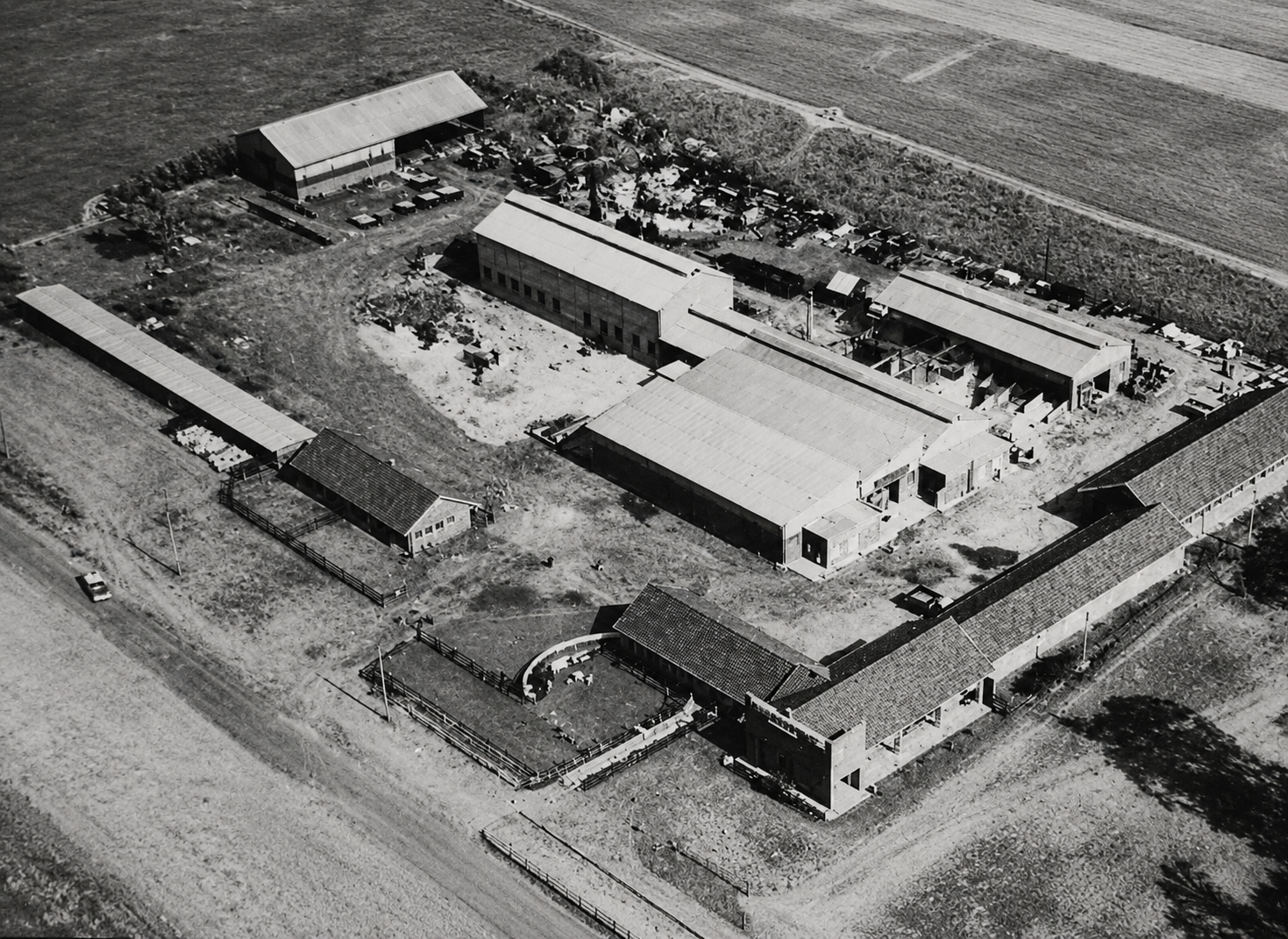
Bessemer Street Premises
Historic aerial view of the company premises at Duncanville.
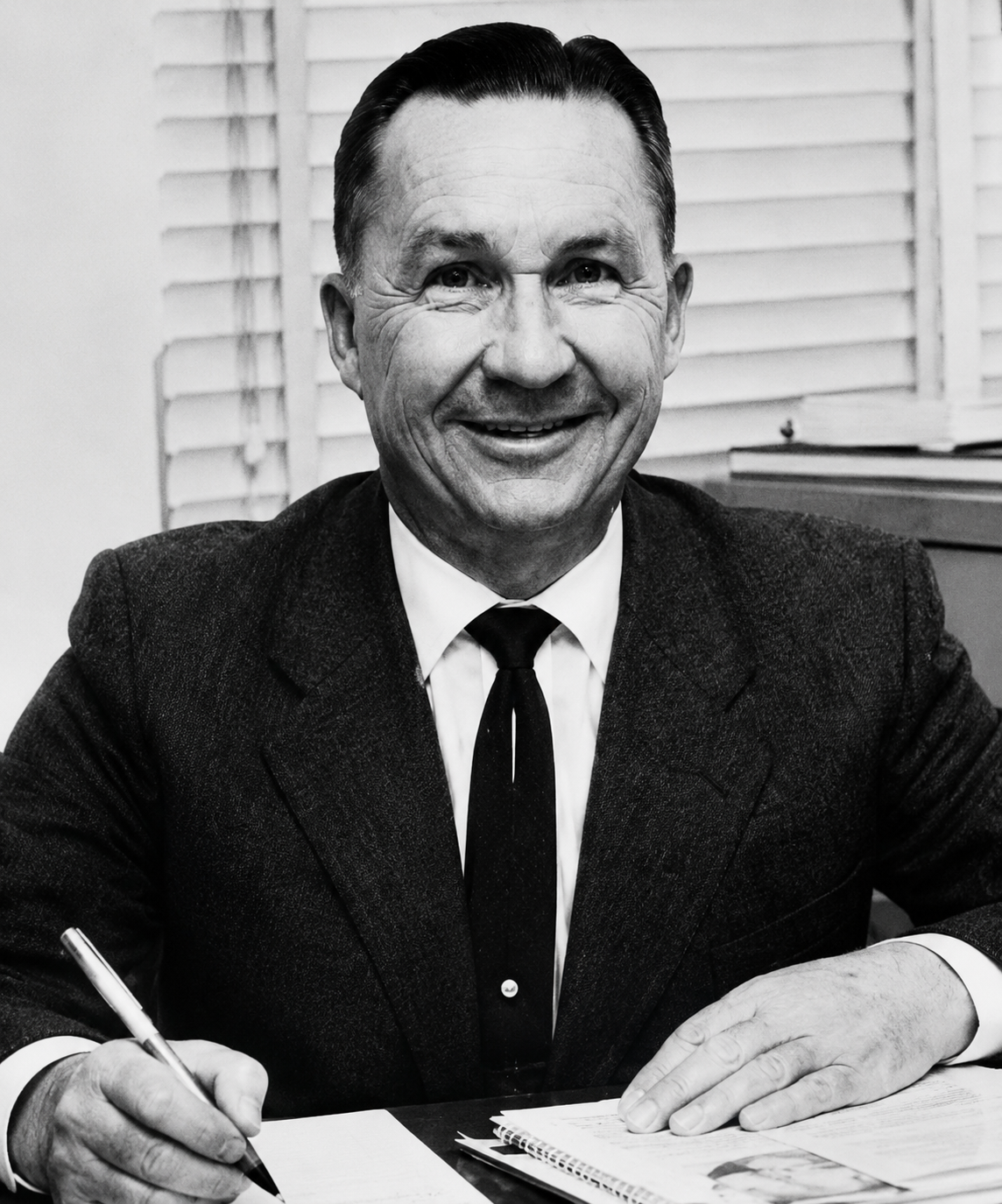
Philip van Rensburg
Managing director and one of the important early figures in the company story.
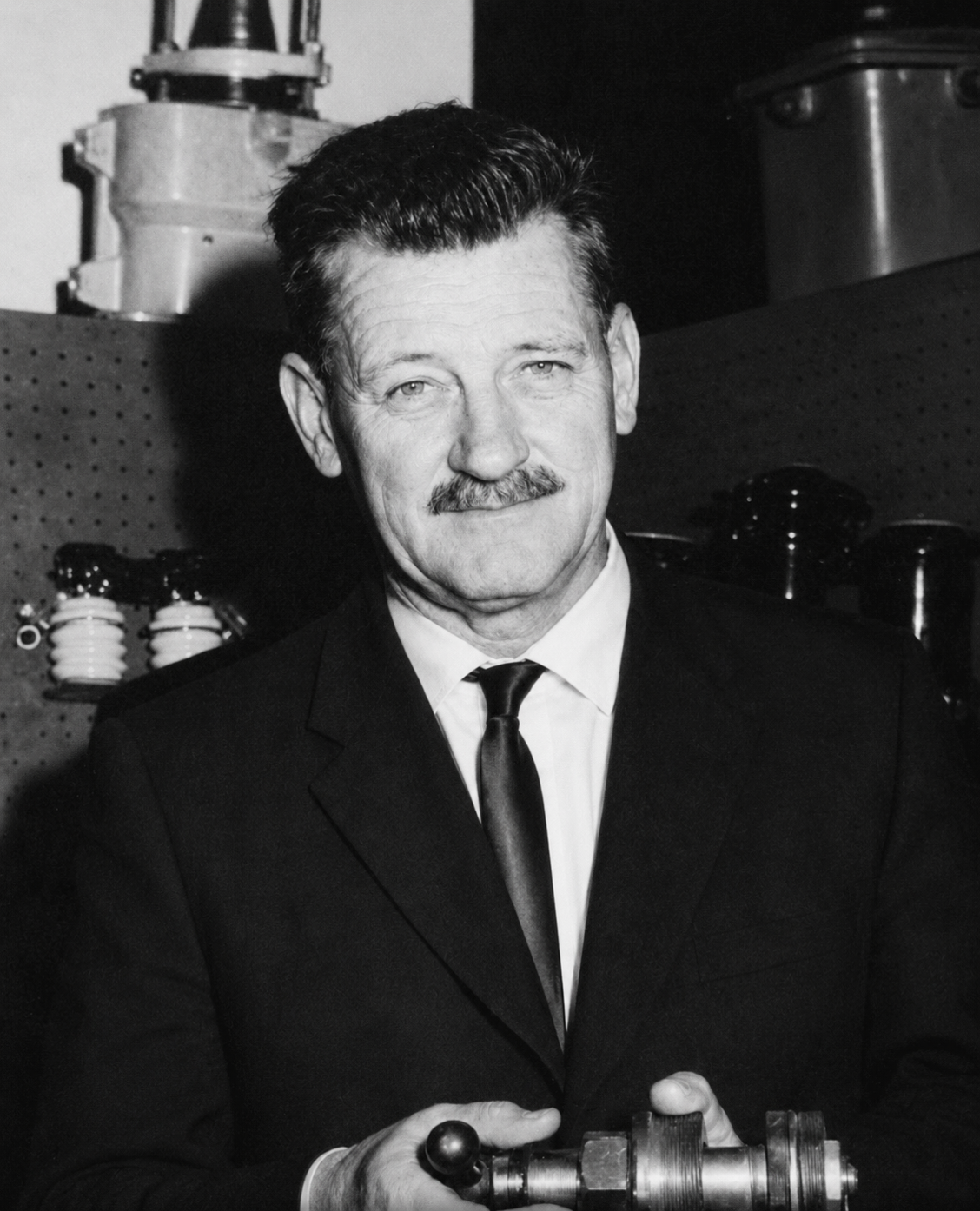
Edgar Rudge
A key figure in the company’s foundry, production, and engineering development.

Foundry Bay
Historical foundry operations and metal casting processes.

Machine Shop
Manufacturing and machining facilities used in production.

Pit Furnaces
Part of the historic foundry and furnace operations.
Explore the Riggers Steel Legacy
From historic engineering and foundry work to modern manufacturing and distribution, Riggers Steel continues to build on generations of quality and service.
Back to About Riggers Steel